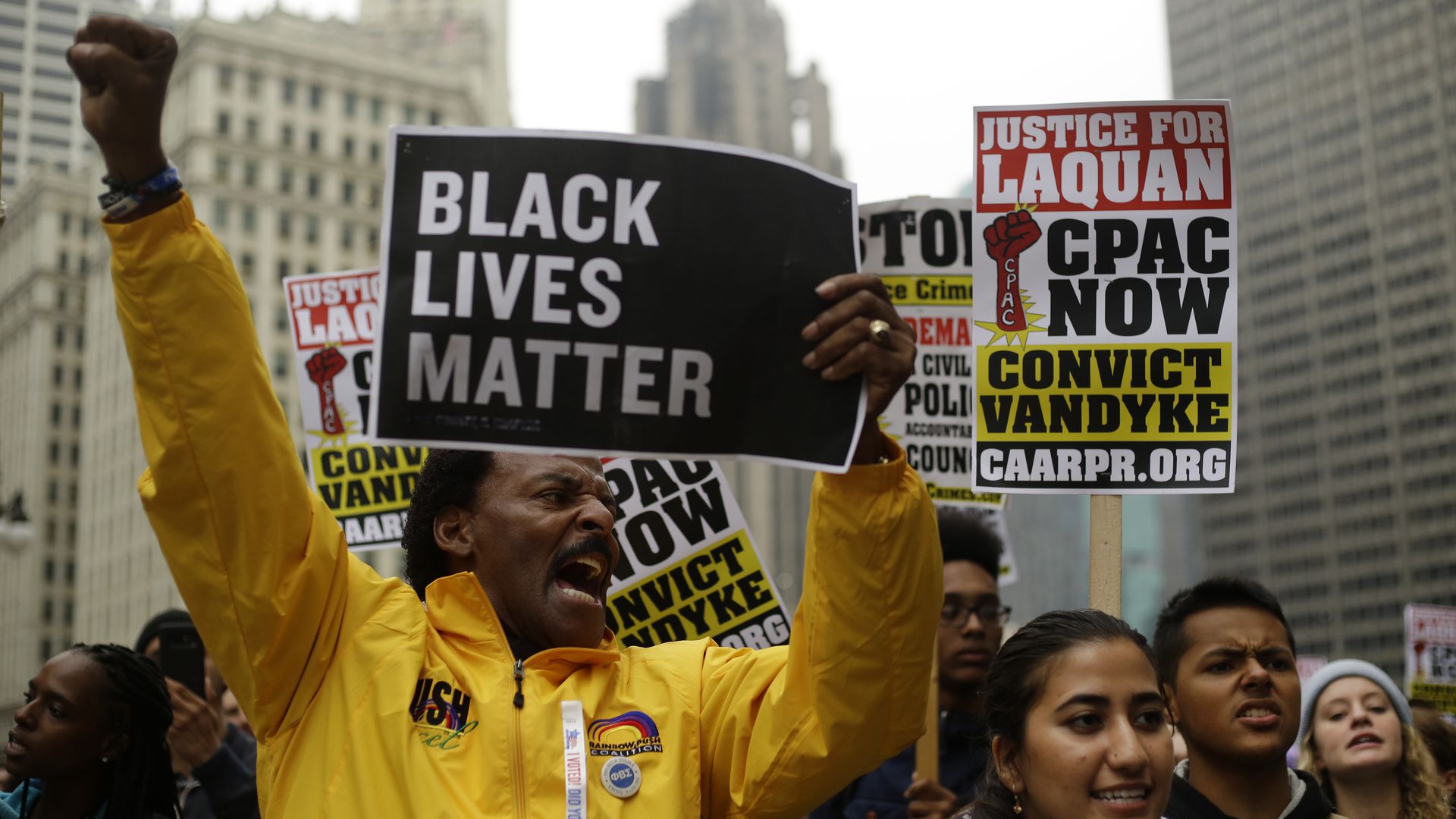
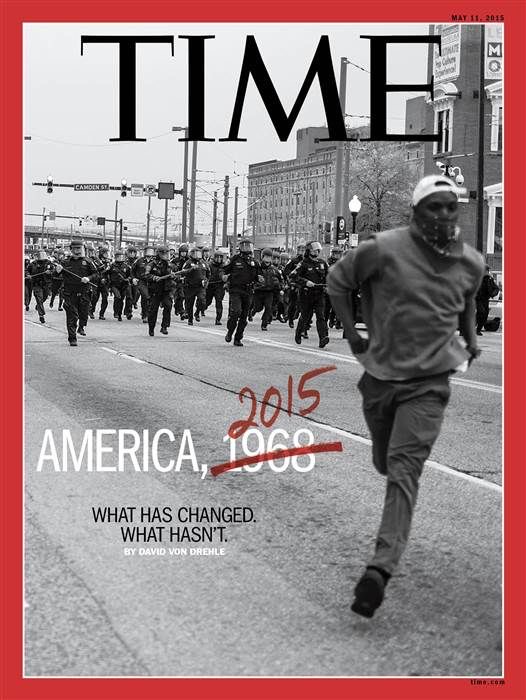
The #BlackLivesMatter movement began in 2013. It came about firstly as a digital reaction to the events following the murders of Trayvon Martin, Michael Brown and Eric Garner. In the documentary Stay Woke: The Black Lives Matter Movement. (US, 2016), director Laurens Grant examines the influence of the digital sphere upon collective activism within America in modern times. The movement begins as a ripple across social media, primarily as a means of giving an online presence and voice to the injustice witnessed by the black communities within their neighbourhoods, with the events featured in the documentary taking place within the time period of 2012-2014.
Alicia Garza, co-founder of the movement, comments that she “wrote a letter to black people on Facebook”. This statement is a crucial example in understanding the influence of social media on the #BlackLivesMatter movement, as it highlights the importance of using social media websites, in this instance primarily Twitter and Facebook, to incite a movement and unite communities that share the same beliefs across one nation.
Throughout the documentary many valuable insights into the powerful force of utilising social media as a means of organising a national movement are given. Mark Luckie, a former manager of news at Twitter, notes that the “loud rise of voices” (within the online public sphere), “almost became the O.J. trial of the new century”. Placing political and historical weight on the outburst of the movement online gives it weight and a distinct online presence, which garnered the attention of news sources worldwide. The impact and power of a single hashtag, as outlined in the documentary, allowed hundreds of thousands of like minded individuals to unite for one common cause. Luckie also comments on the distinct difference between the cases of Trayvon Martin and Eric Garner. In Garner’s case, “you saw the injustice”. Witnesses used smartphones to record the events unfolding before them, actively participating in the act of citizen journalism, and uploaded these videos to Twitter and Facebook as a means of informing the public of what they had seen. This revolutionised the way in which large scale political movements could quickly share and access information that was pertinent to them. It is also important to note that the visual element of this documentary relies heavily on footage sourced from members of the public who captured amateur videos and uploaded them to the internet. This, again, highlights the importance of social media in relaying information throughout the #BlackLivesMatter movement.
One activist interviewed in the documentary, Johnetta Elzie, present at the protests in Ferguson, Missouri, comments that she “Tweeted everything she knew to be true”.
However, the documentary also raises valid questions about the legitimacy of media-based activism. Historian Keeanga-Yamahtta Taylor poses the question, “Is this just young people that are playing out on Twitter and Facebook.. Is this legitimate activism?. Is this a moment or a movement?.” This statement is further explored in the documentary when it examines the role of Civil Rights leaders taking the movement into their own hands for a time. Their involvement was greeted with substantial backlash online from younger generations, who claimed that they had done nothing to further the cause they were now attempting to take credit for.
In conclusion, this documentary sheds light on the fact that social media, arguably, as Taylor notes, “extended the reach of the activist”. It allowed a new wave of activism to flourish and created new pathways in which activism could be seen, heard and experienced from all corners of the globe.
Bibliography
- Allan, Stuart. “Introduction”. In Photojournalism and Citizen Journalism: Co-operation, Collaboration and Connectivity, edited by Allan. Routledge, 2017, pp. 1-10.
Tufekci, Zeynep. “Introduction”, Twitter and Teargas: The Power and Fragility of Networked Protest. Yale University Press, 2017, pp. xxi-xxxi.

 Mallaigh Slattery Film Analysis Project